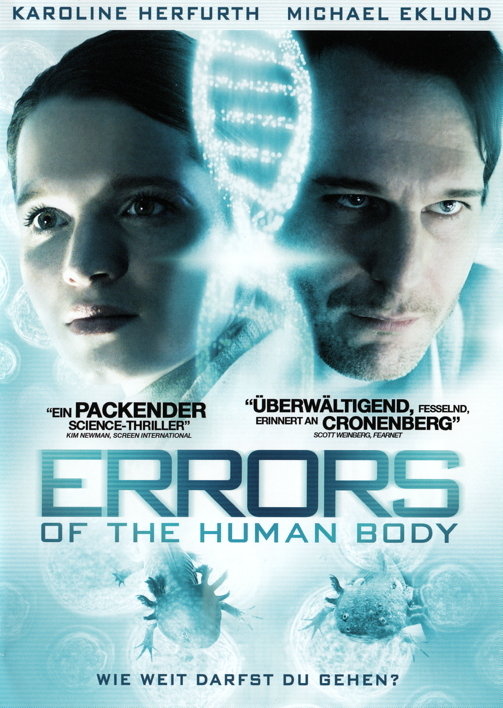
故事设定在公元2050年,BrightSTAR企业发射太空船The Udo。太空船的任务是:用实验性纳米技术将矮行星Ceres地球化,使其气候、温度、生态类似地球环境。The Udo太空船上装有麦克风和许多摄像机,用来纪录太空船上五名人员在这趟深入太空的旅程之中的心理变化。AdaGray博士是一名太空生物专家,也是实验性纳米技术的发明者,与他同行的还有指挥官Phil King、Tom、爱说讽刺话语的Mitch Poe、以及帅气的法国飞行官Evan Durand。Evan虽然已经结婚,但他与AdaGray博士两人对彼此非常有好感。在这趟长达数年的太空旅程中两人的感情就像放入压力锅一样不断加压。而一场意外让太空船内的人员分别被困在数个逃生舱中,彼此仅能用图像沟通,紧张的气氛一触即发。更糟的是,他们自己创造出的科技怪物将危及他们的性命。
影片以“末日”作为故事背景,讲述了几位主人公在拯救世界和自我救赎矛盾中的成长,是一部分歧与团结并存,友情与爱情交织的科幻主旋律的电影。
暂无内容
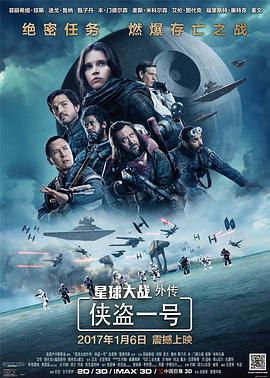
共和体制崩塌,银河帝国的阴影笼罩着宇宙文明每一个角落。为了加强对反抗势力的镇压,塔金主义直接催生了一种足以摧毁星球的超级武器——死星的诞生,而物理科学家盖伦·厄索(麦斯·米科尔森 Mads Mikkelsen 饰)正是死星的主要设计者。厄索的女儿琴(菲丽希缇·琼斯 Felicity Jones 饰)在童年时代与父母经历了生离死别,之后她被反抗组织领袖索•格雷拉(福里斯特·惠特克 Forest Whitaker 饰)所抚养长大。成年后琴罪行累累,成为帝国的阶下囚,最终却被反抗组织救出。从格雷拉那里她得知死星的存在,并见证了一个城市的灰飞烟灭。然而义军同盟决然不信死星的存在,万般无奈琴和飞行员卡西安·安多(迭戈·鲁纳 Diego Luna 饰)等人孤身前往收藏着死星设计图的星球,攸关全宇宙命运的战争拉开了序幕……故事根据1977年《星球大战:新希望》片头的一段文字改编。©豆瓣
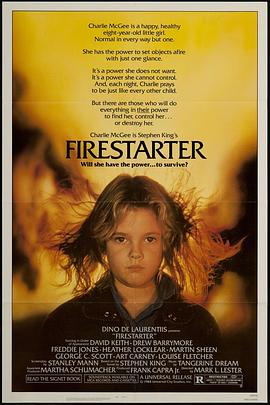
在安迪(David Keith饰)和维姬(Heather Locklear饰)还在上大学的时候,他们为了赚钱参与了一次实验,服用了一种叫做Lot-6的化学品。他们结了婚,现在已经拥有了一个9岁的女儿莎林。莎林有一种特异功能,她可以靠自己的意念点燃东西,这可能要归因于安迪和维姬曾经参与的那次实验,同时,安迪也拥有了某种超能力,可以让人们做他希望人做的事情。那次实验的操作者是一个秘密的政府部门,代号为“商店”,执行人是约瑟夫博士,他开始派人追查两个人的下落,并且派出了一个狙击手,要杀掉两人。而他们没有预料到的是,安迪和维姬拥有的超能力可以帮助他们摆脱追捕,一场大战即将上演。 "本片由著名作家斯蒂芬·金的畅销小说改编,Mark L. Lester执导。本片的导演最初选定为约翰·卡朋特。据卡朋特说,Universal制片公司的高层出于票房考虑将其安排去拍摄The Thing (1982)。Martin Sheen仓卒出演,他的剧本是从别的演员那儿临时抓来的。斯蒂芬·琼斯所写的书""Creepshows""上说,David Keith是角色安迪的第十四号候选人。"
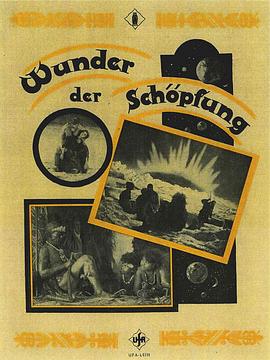
Wunder der Schöpfung is an extraordinary, fascinating Kulturfilm trying to explain the whole human knowledge of the 1920s about the world and the universe. 15 special effects experts and 9 cameramen were involved in the production of this film which combines documentary scenes, historical documents, fiction elements, animation scenes and educational impact. It its beautifully colored, using tinting and toning in a very elaborated way. Some visual ideas in the sequences with a space shuttle visiting different planets in the universe seem to have to be the inspiration for Stanley Kubrick's 2001: A Space Odyssey. In the context of Germany's Kulturfilm phenomenon, Wunder der Schöpfung was among the greatest achievements of the 1920s. The production was constructed, rehearsed, and shot over a period of two and a half years, under the supervision of Hanns Walter Kornblum. The idea to describe the universe and man's place in it well suited UFA's Grossfilm mentality, one year before the Metropolis catastrophe. Hundreds of skilled craftsmen participated in the project, building props and constructing scale models drawn by 15 special effects draughtsmen, while 9 cameramen in separate units worked on the historical, documentary, fiction, animation, and science-fiction sequences. Without star roles or even protagonists, the film's plot is crowded with meticulously structured and skillfully acted single scenes an artful mosaic of small vignettes. No less than four credited university professors ensured the factual background behind the scientific and historical events portrayed. The film's symbol of progress and the new scientific era is a spacecraft, travelling through the Milky Way, making all the planets and their inspiring worlds familiar to us, with the extravaganza of their distinctive features. The film's educational intentions, however, become steadily more obscure, humorous, or even campy as this popularization project proceeds. With the excuse of presenting the end of the world a not-so-new concept as a new, undeniably scientific truth, the film veers happily along a new path, displaying detailed apocalyptic scenes of the end of mankind. For today's audiences, this amazing film demonstrates how the universe was comprehended in the 1920s, and how that view was sold to contemporary audiences.
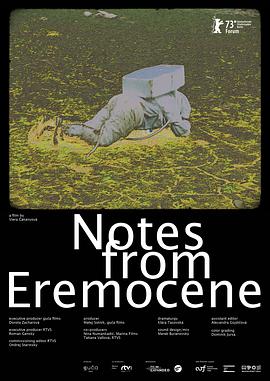
An audio-visual postcard that director Viera ?ákanyová sends to the future, based on her fictional conversation with her future virtual copy. She playfully and intimately explores the potential of blockchain technology and artificial intelligence in solving complex man-made global problems such as climate change or the crisis of parliamentary democracy. From a curious and criti...